Biltmore Forest Listings
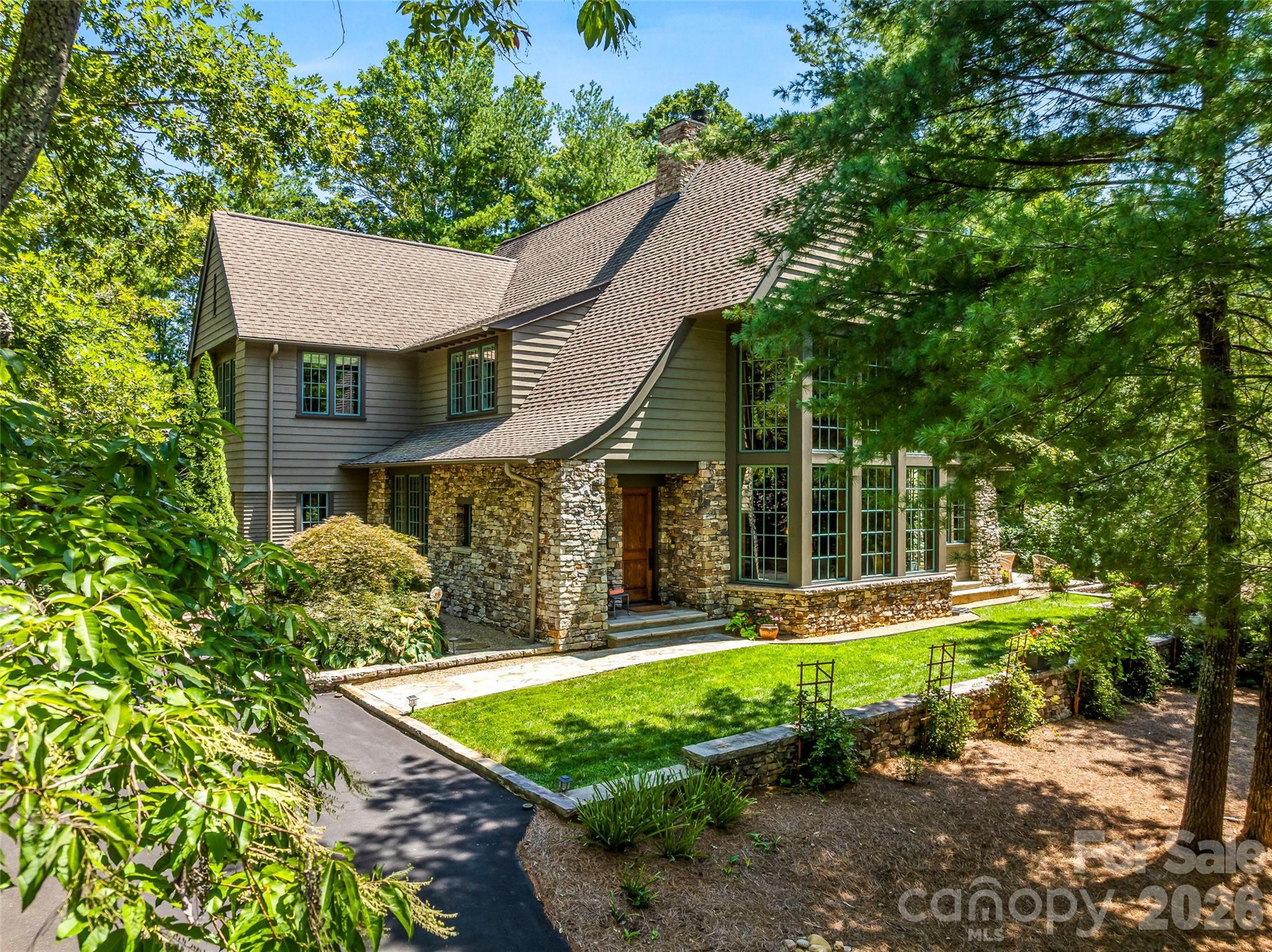
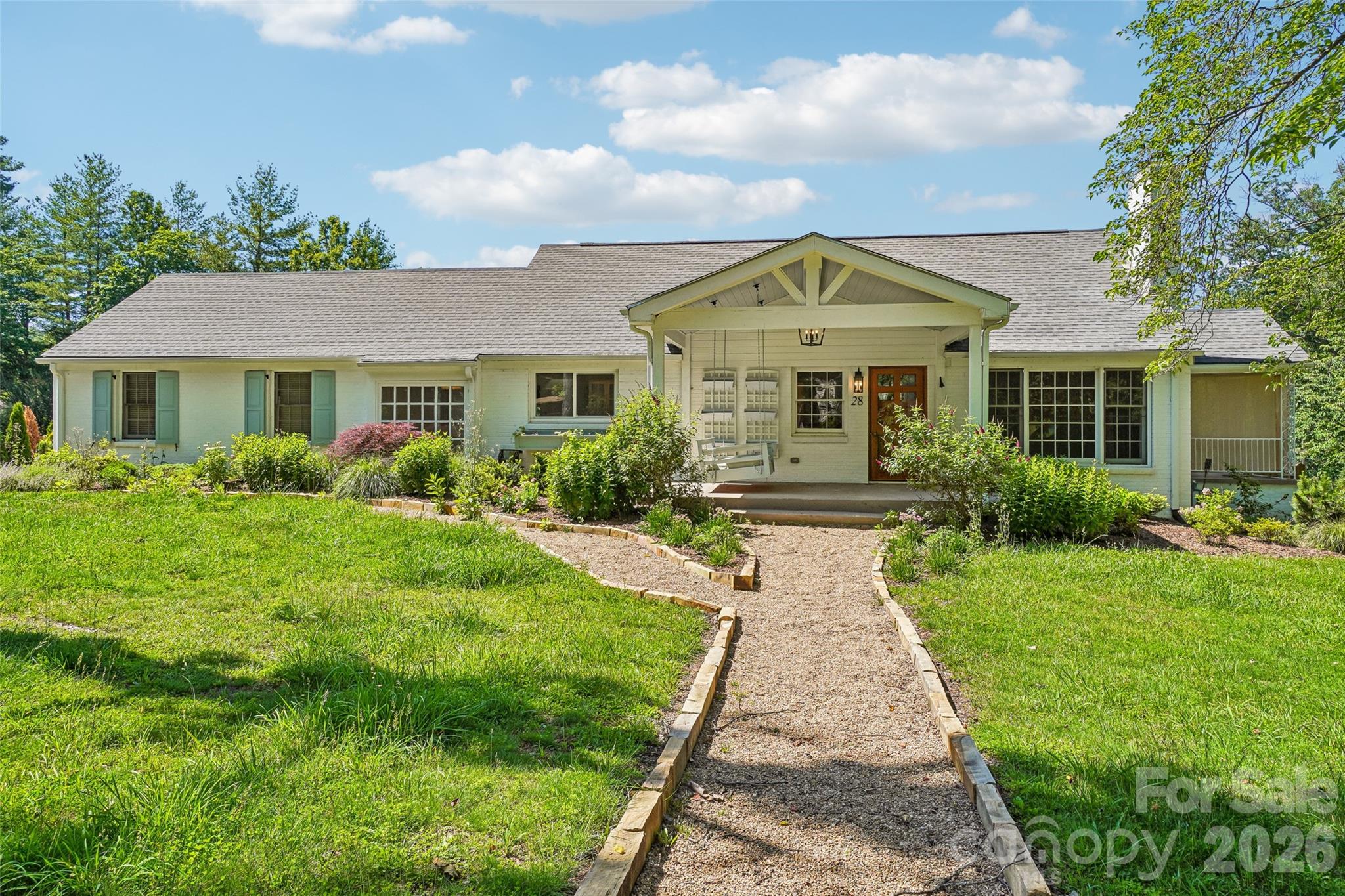
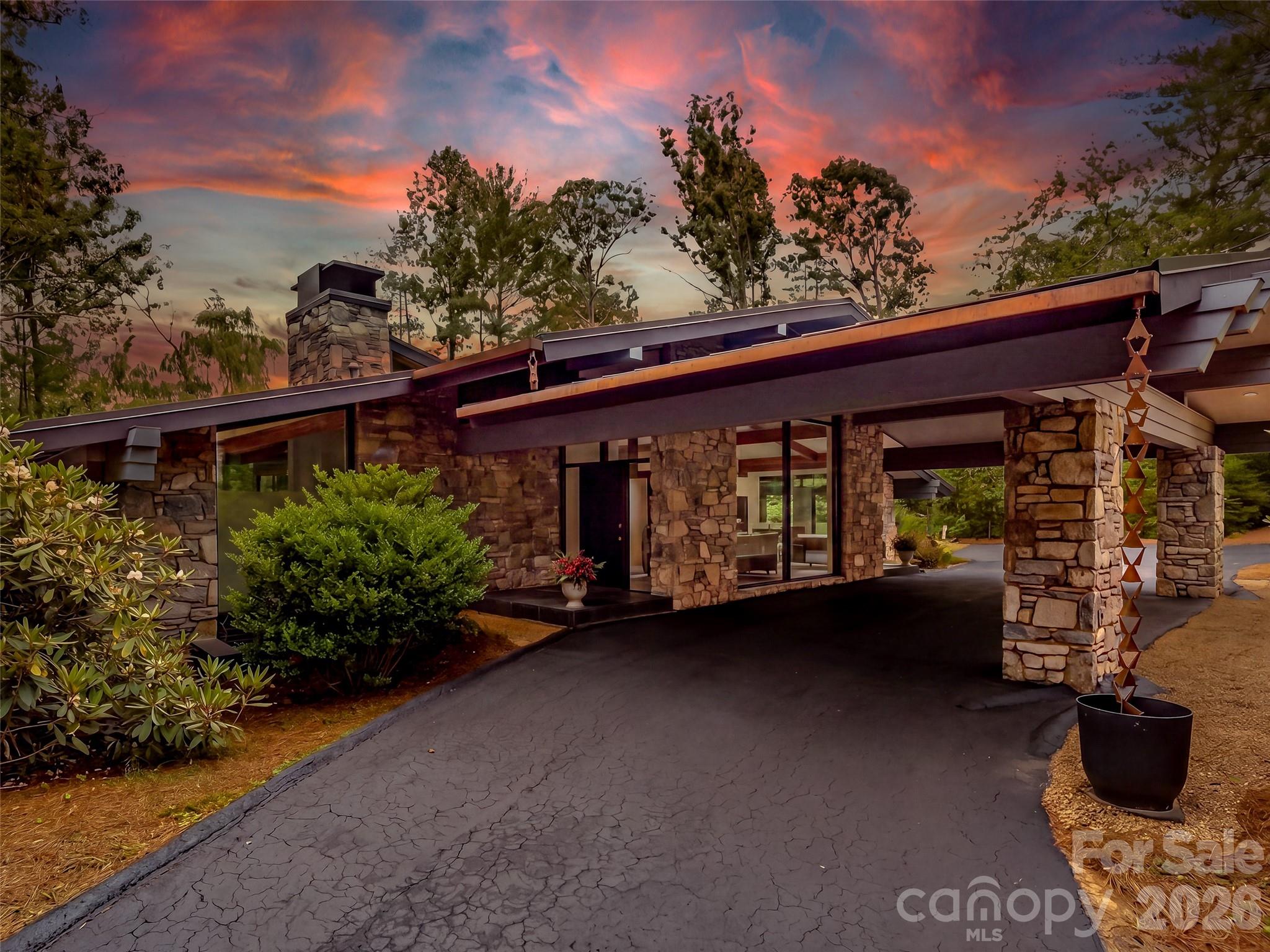
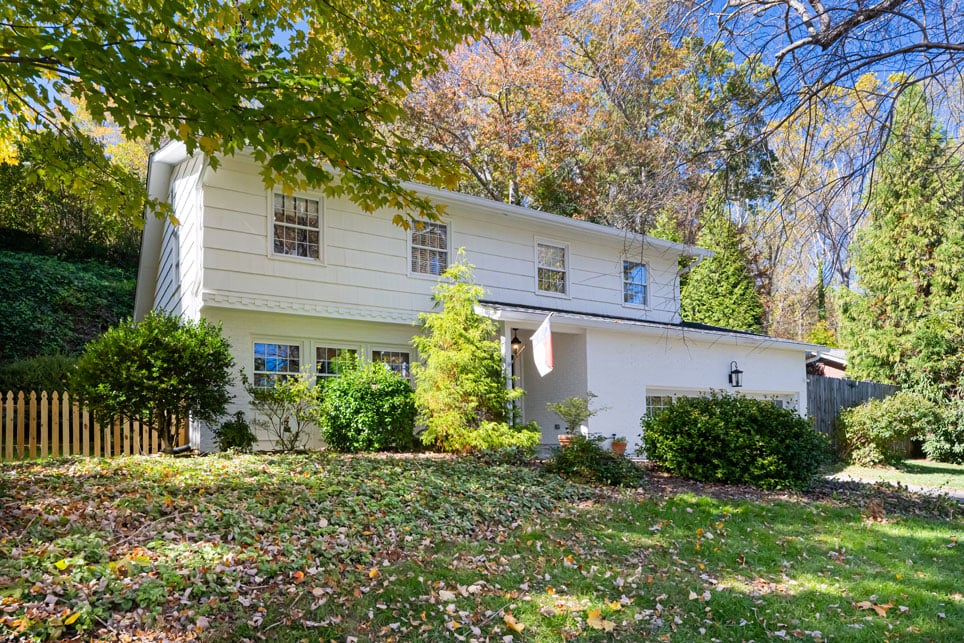
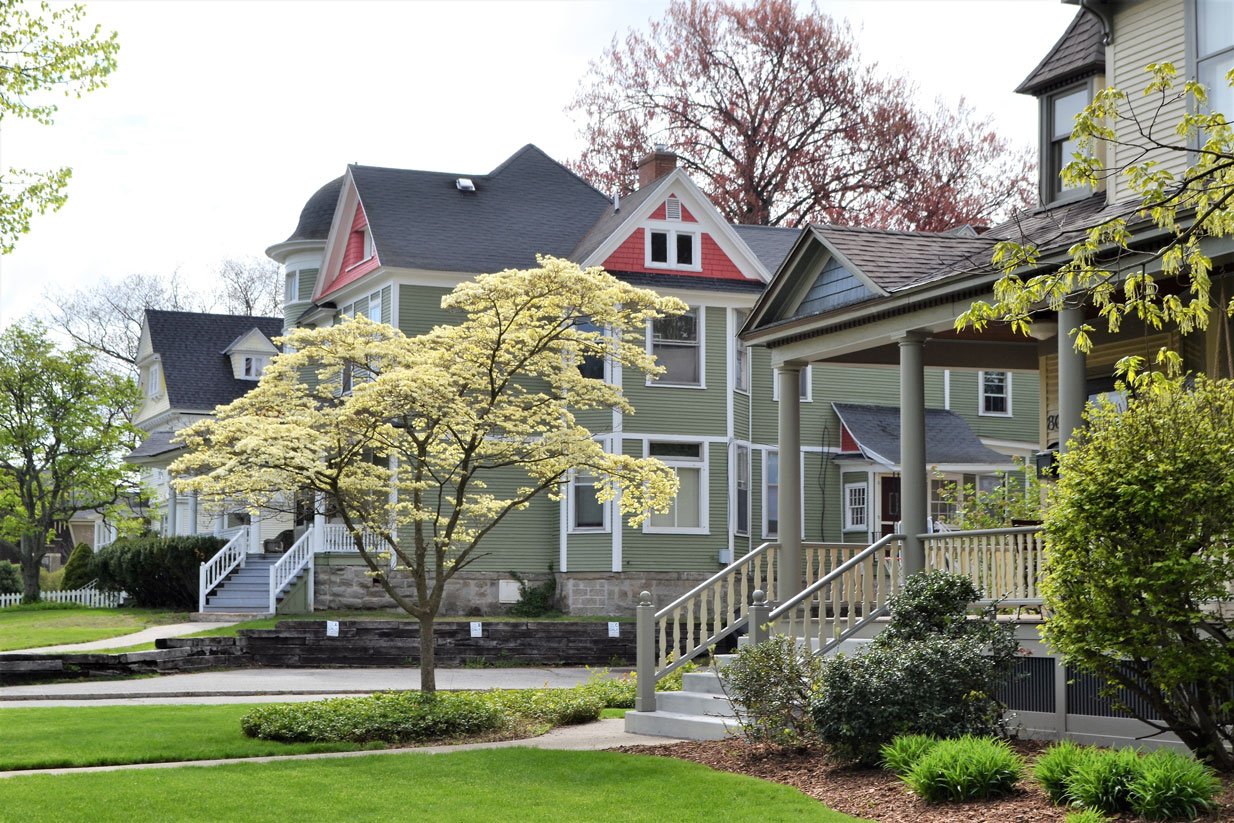
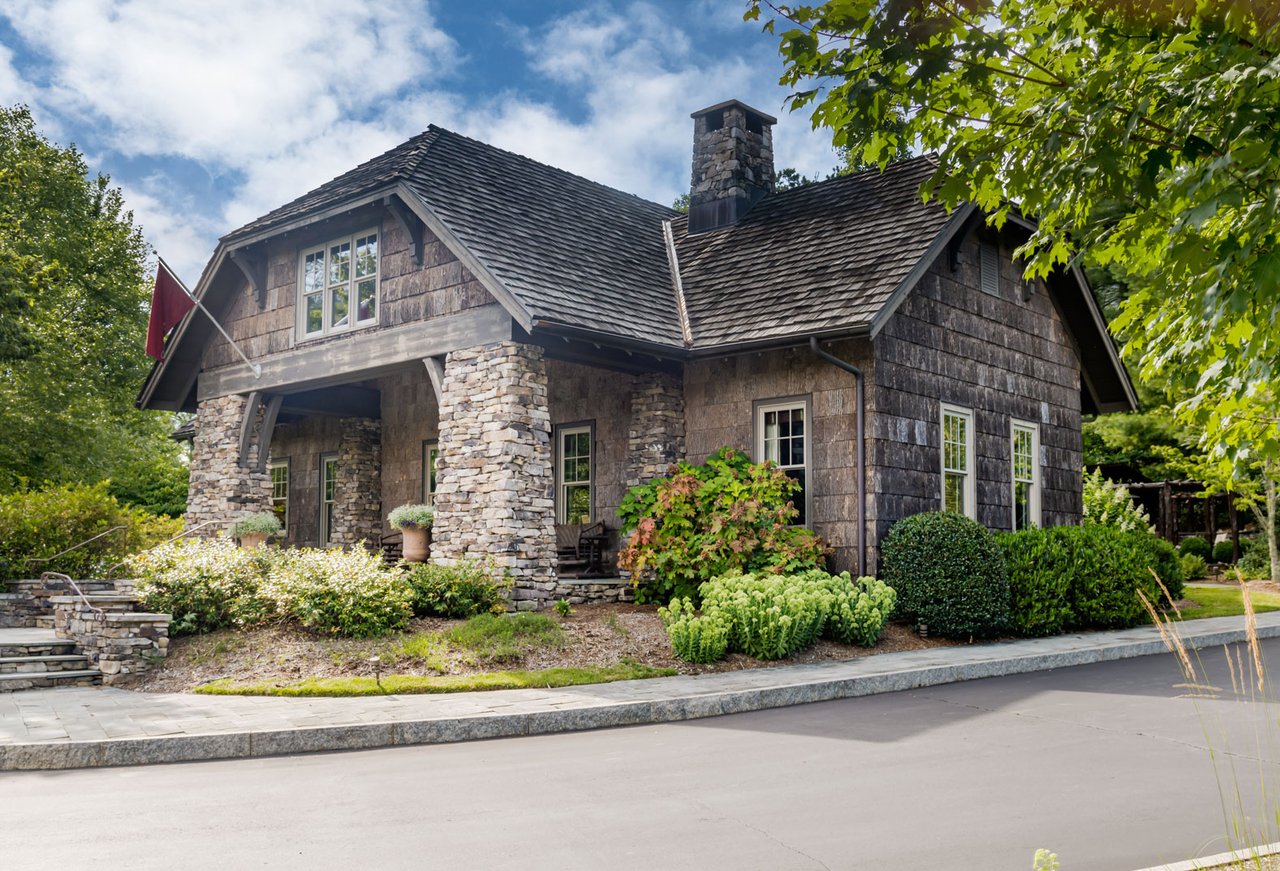
Here are just a few of the available properties in Biltmore Forest.
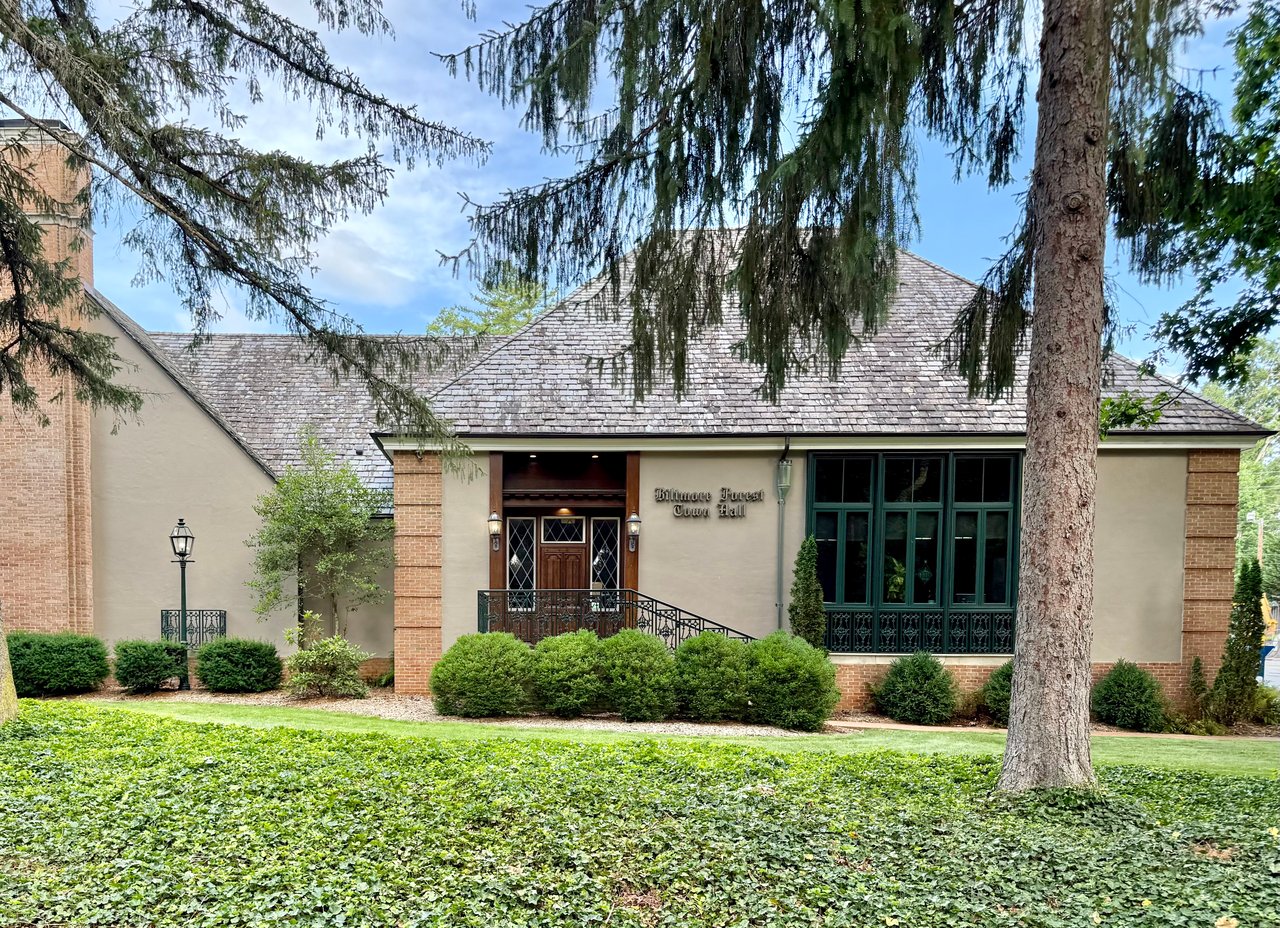
Most Asheville neighborhoods grew. This one was drawn first—fifteen hundred acres taken from the Biltmore Estate in 1920, chartered as its own town in 1923, and governed separately from the city ever since. Roughly six hundred houses inside the boundary. The plan still holds.
Here are just a few of the available properties in Biltmore Forest.
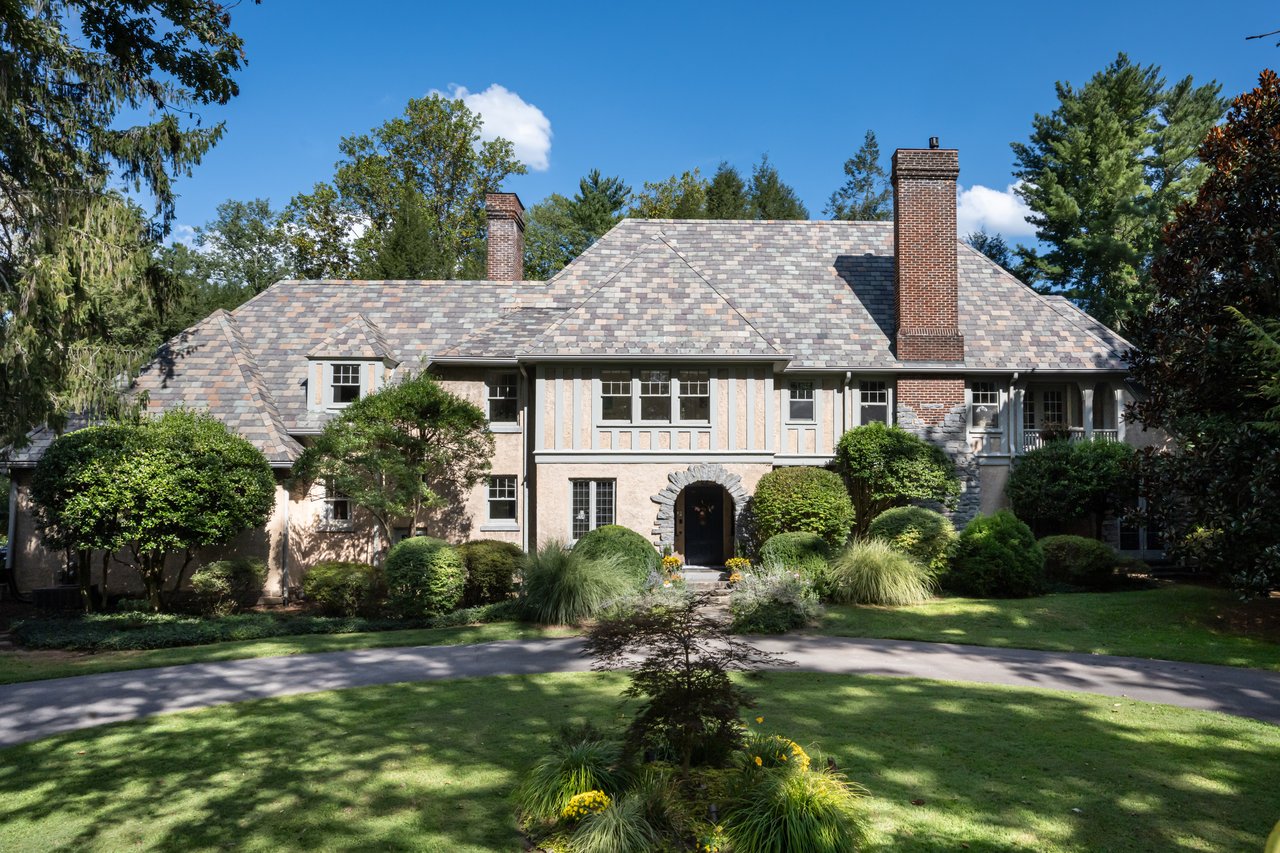
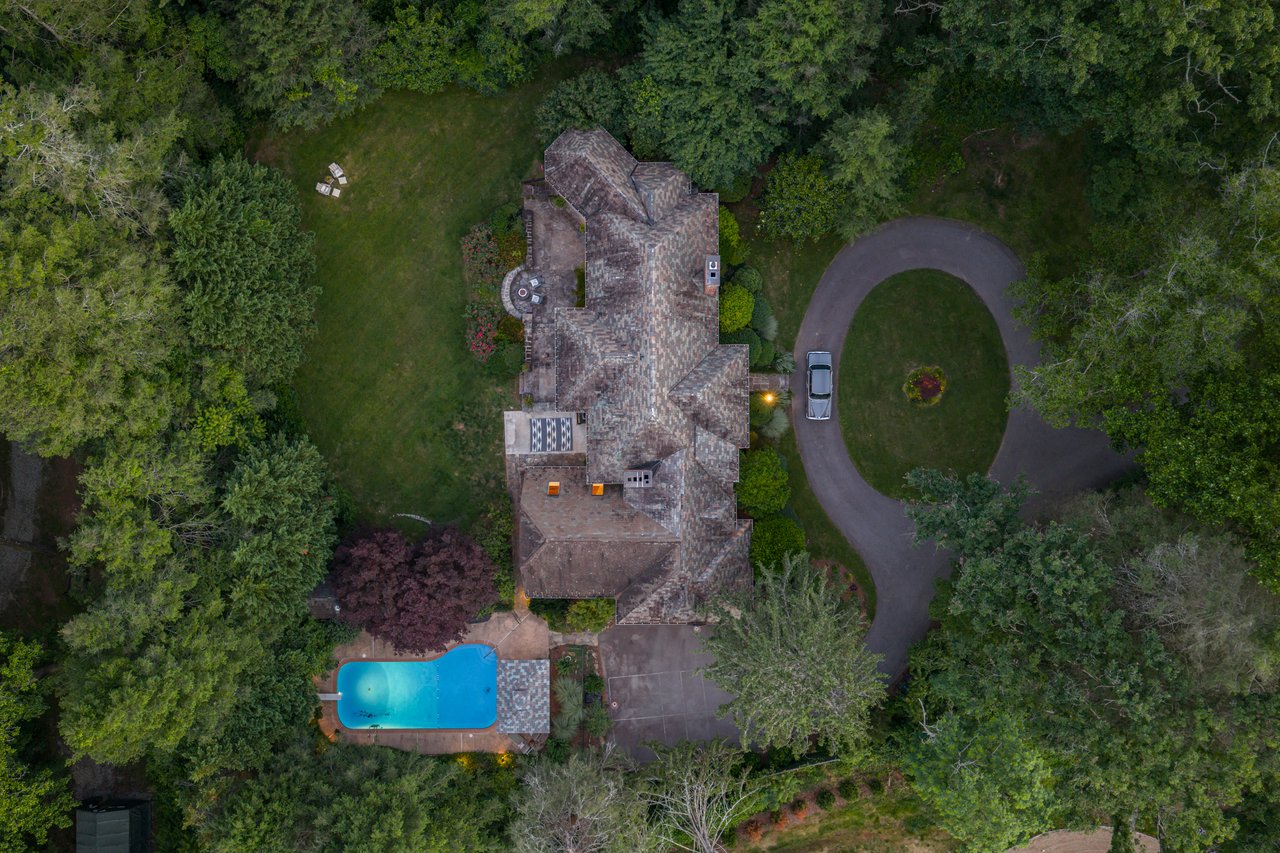
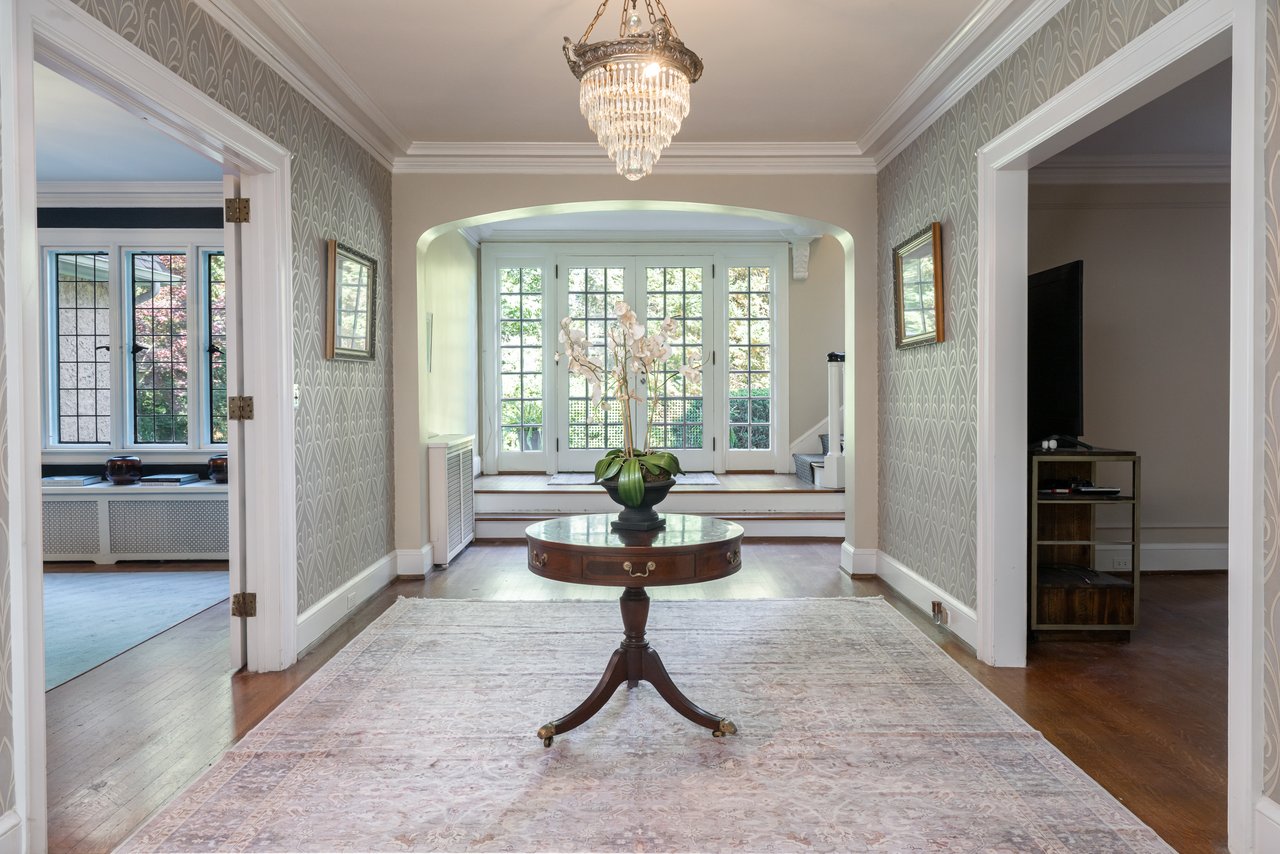
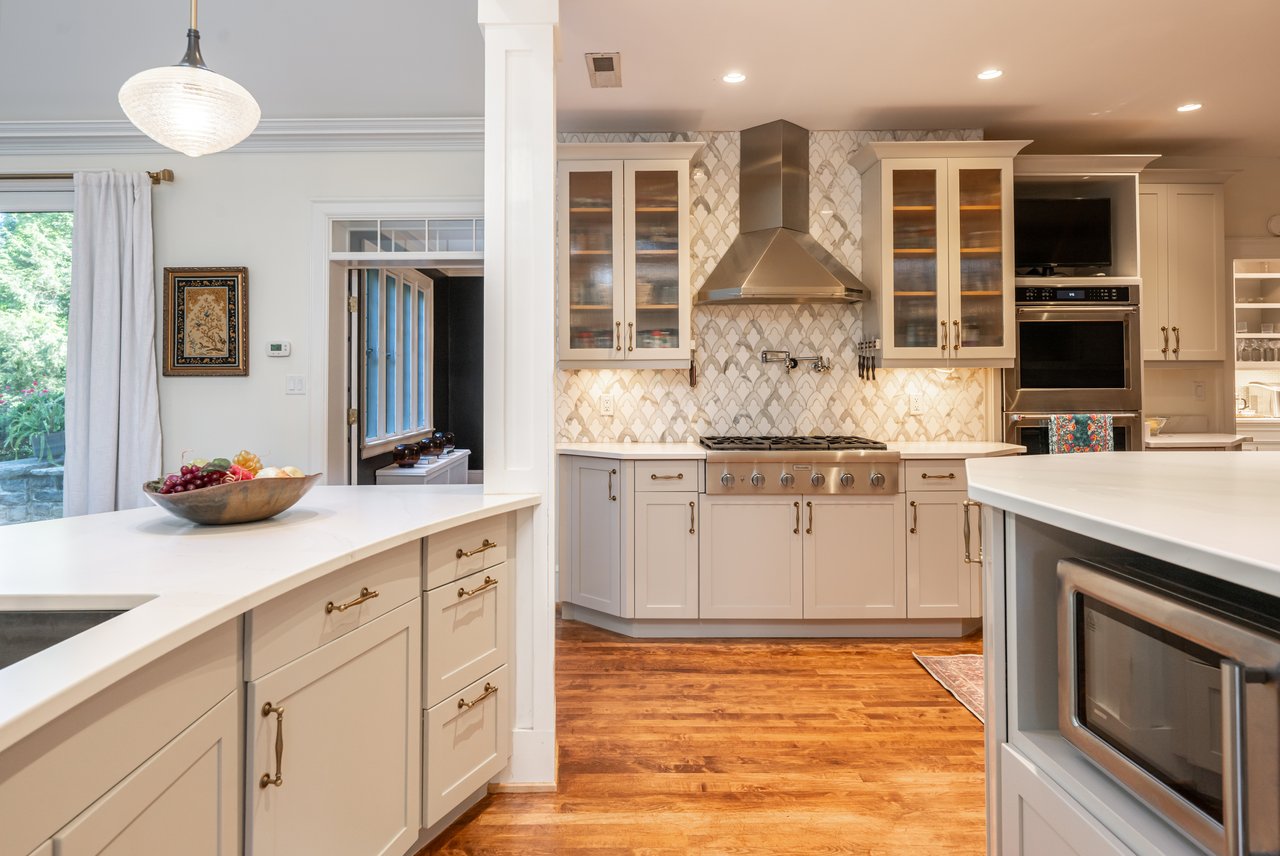
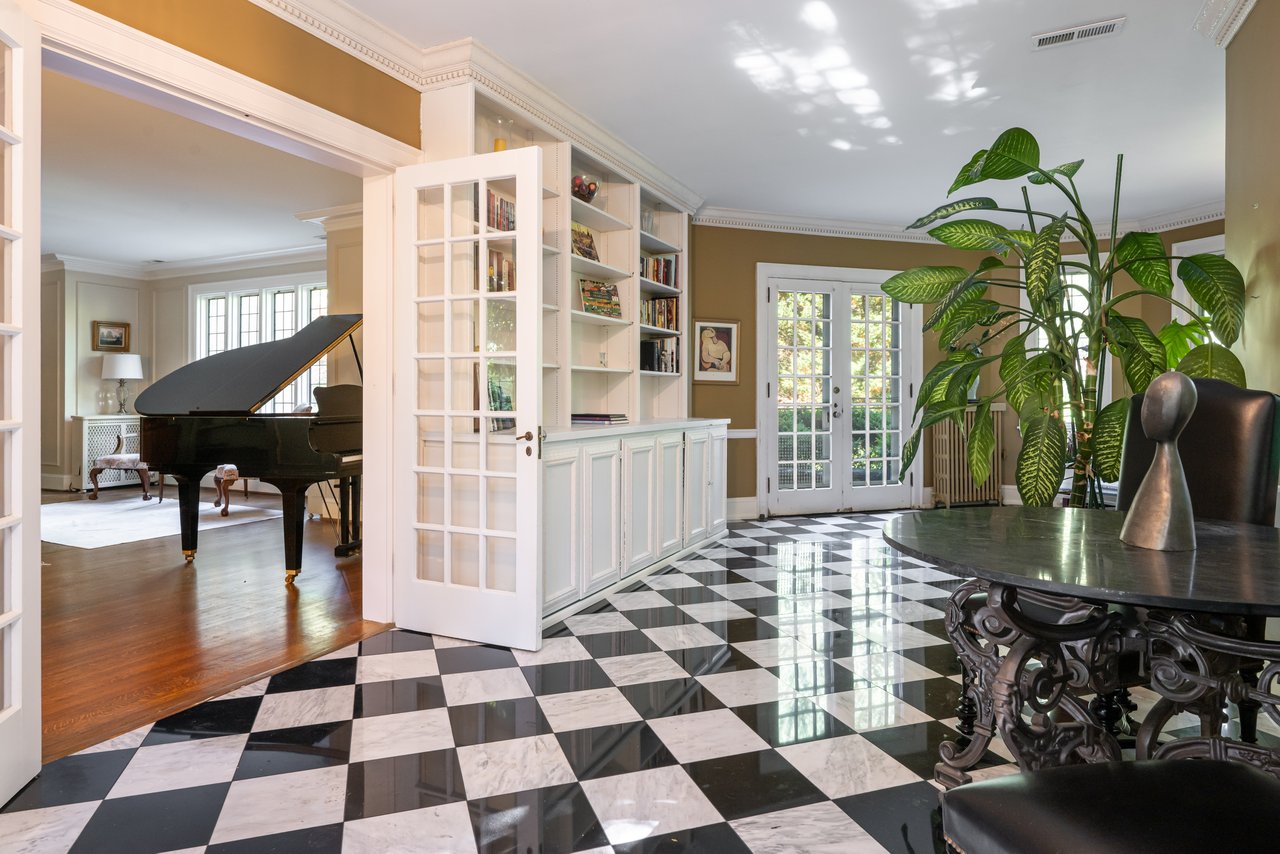
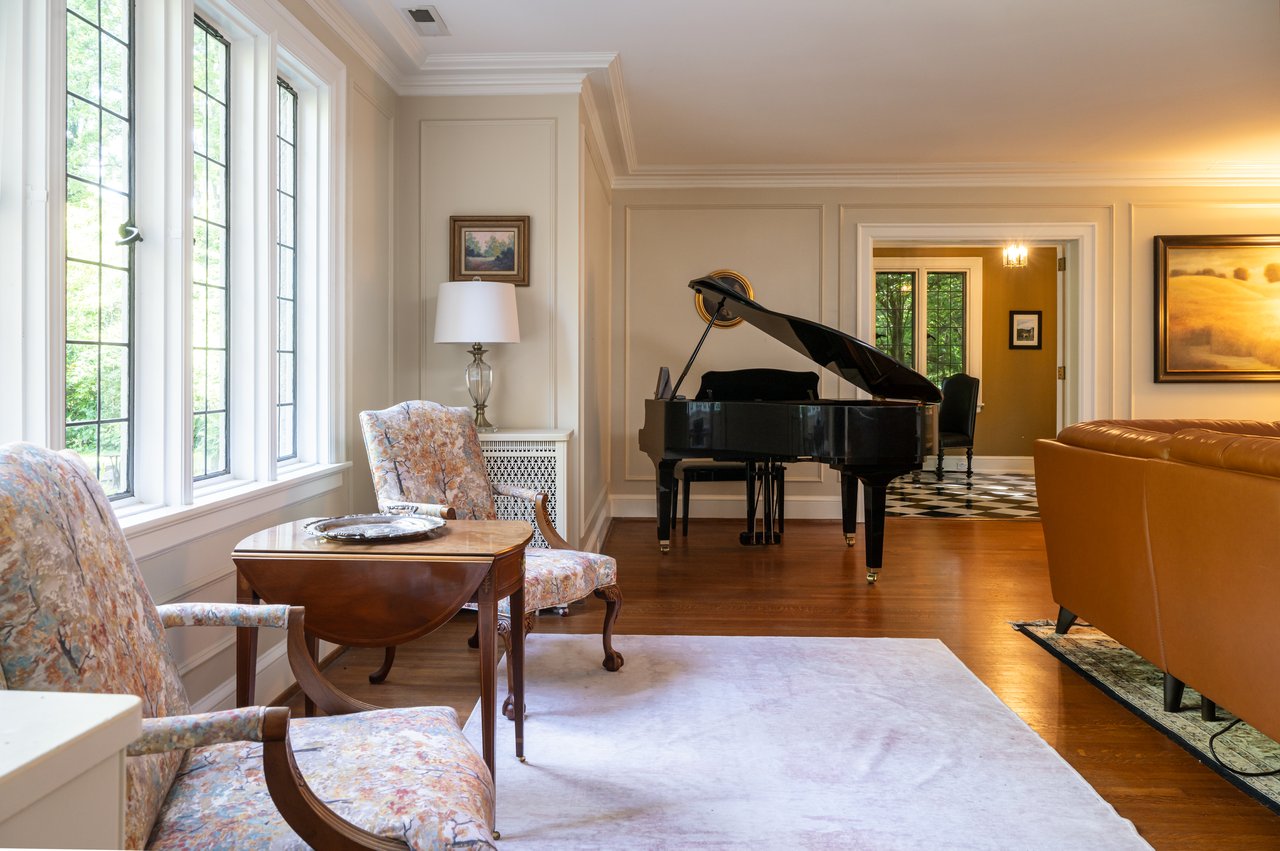
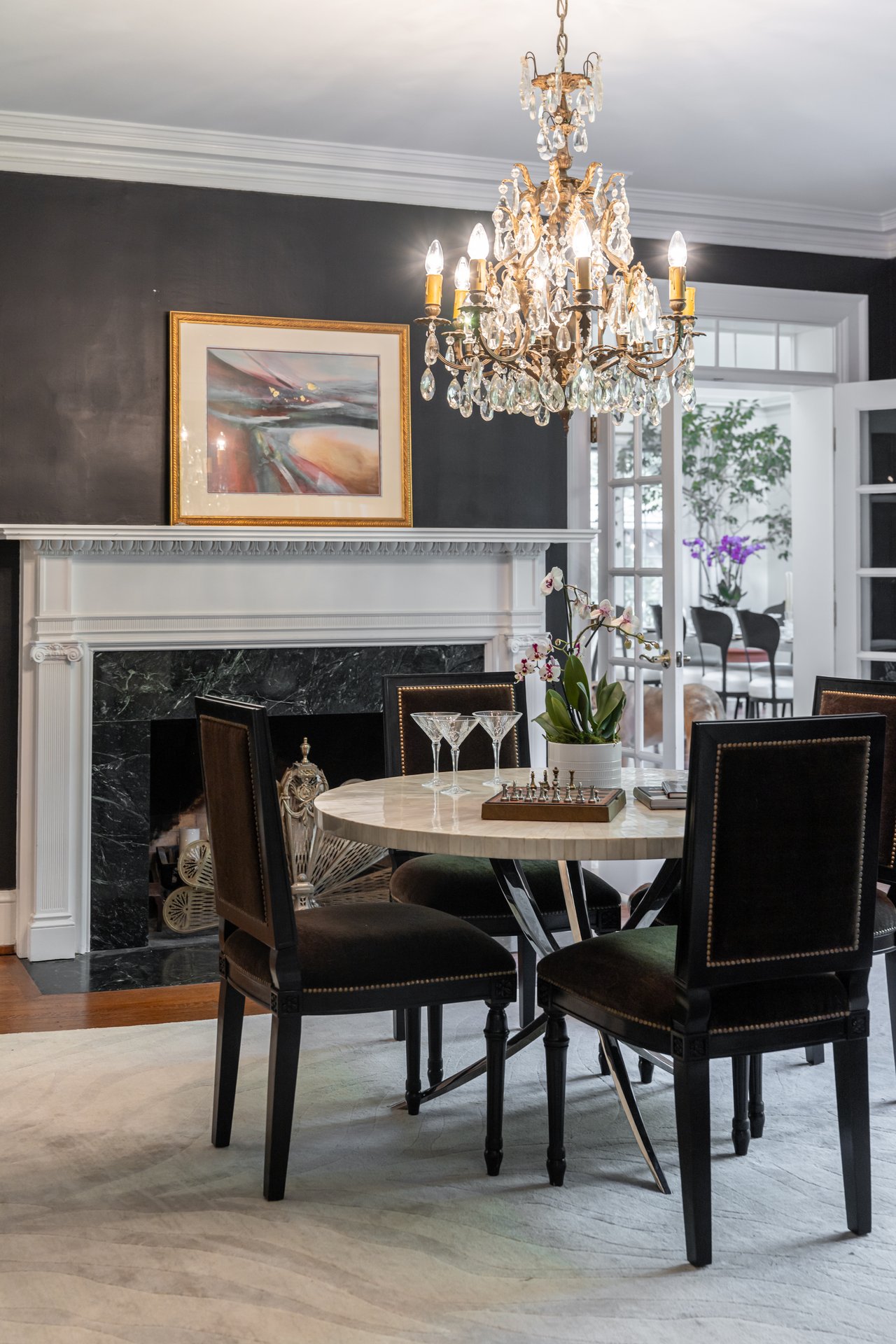
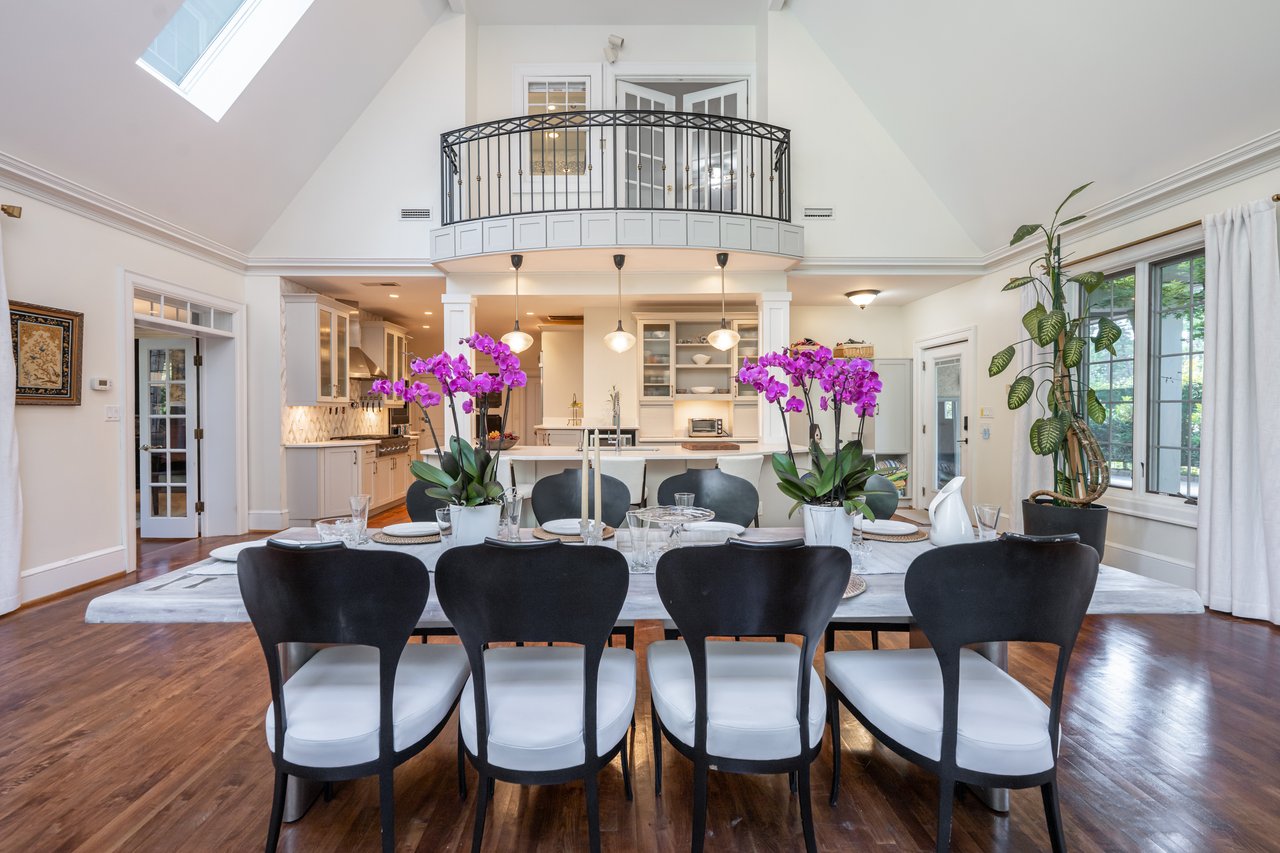
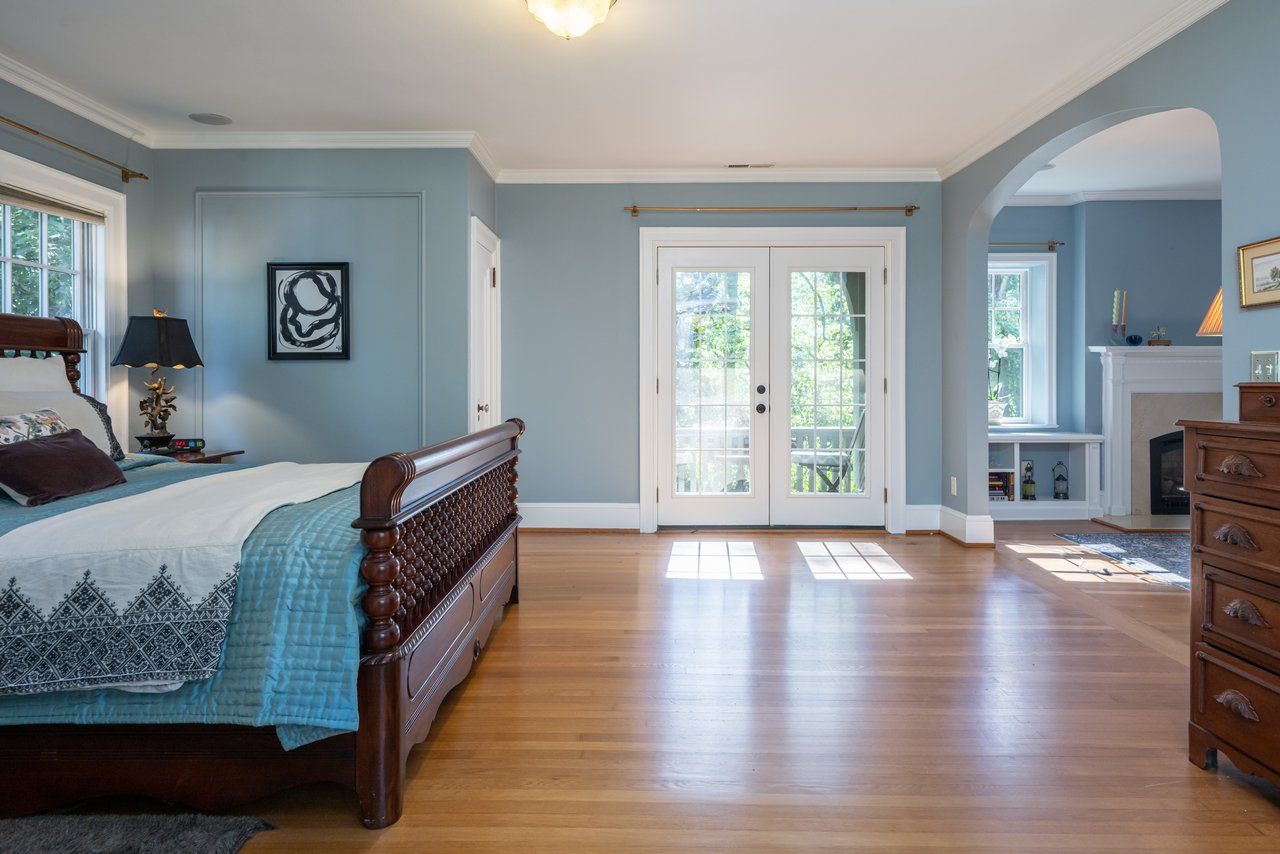
Stucco and stone walls, an arched stone entry, the original slate roof still overhead, the carriage doors still hung. Inside are five bedrooms and five-and-a-half baths across some 6,700 square feet—built for the cold months as much as the warm. A wood fire in the living room. A great room that opens to the garden. A wine cellar below. The main suite keeps its own fire and a balcony over the front garden.
Outside, the name comes true: stone terraces step down to a heated pool and a gazebo, on 1.65 level acres of mature grounds.
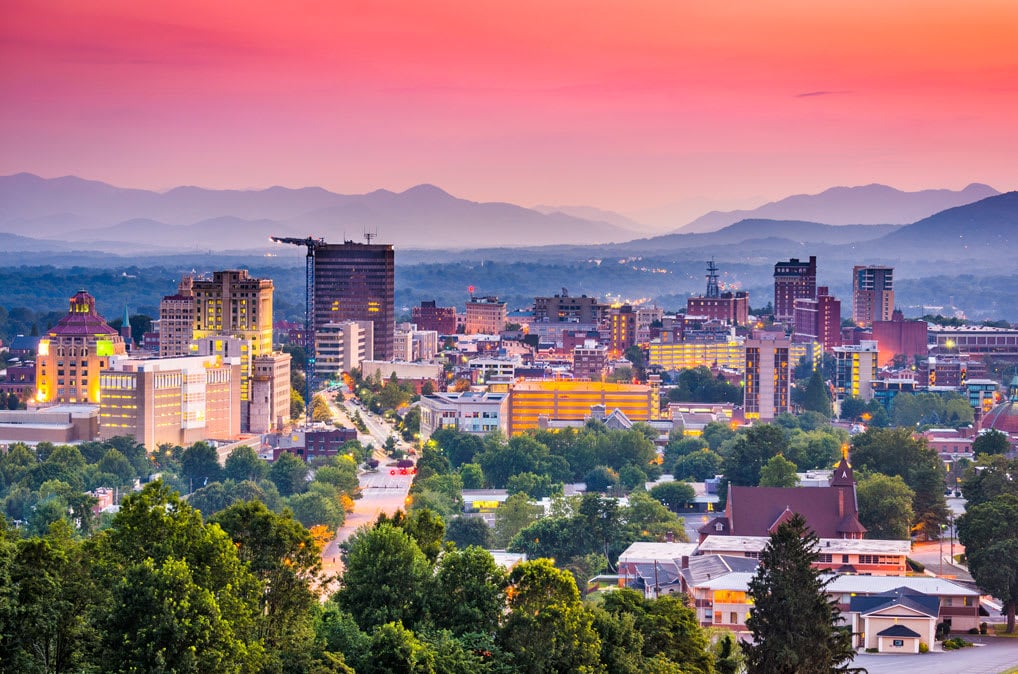
Stay updated on the real estate market with the Biltmore Forest Market Report. Learn important details about the place you live now or where you might want to live later. Find out how much homes are selling for and whether it’s a good time for buyers or sellers. Get all this information in an easy way to help you understand what’s happening in the market right now.
If you work with us to buy or sell a home or investment property, a portion of our commissions will go support to a curated list of organizations that make a material impact on a contributing element to the overall quality of life in Western NC. Oby Morgan established a charitable fund at the Community Foundation of Western North Carolina, seeded personally and growing as the business does. Its work is guided by published methodology rather than committee consensus.
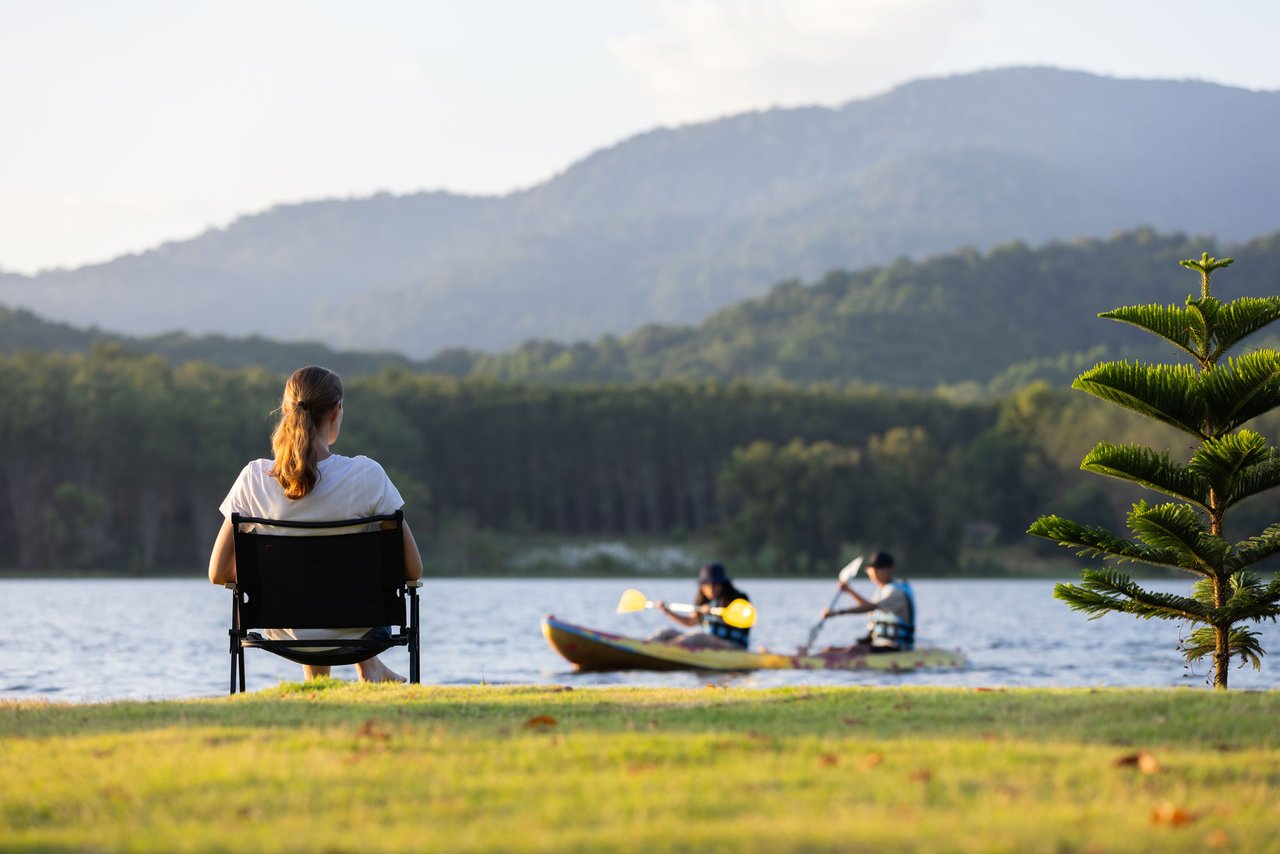
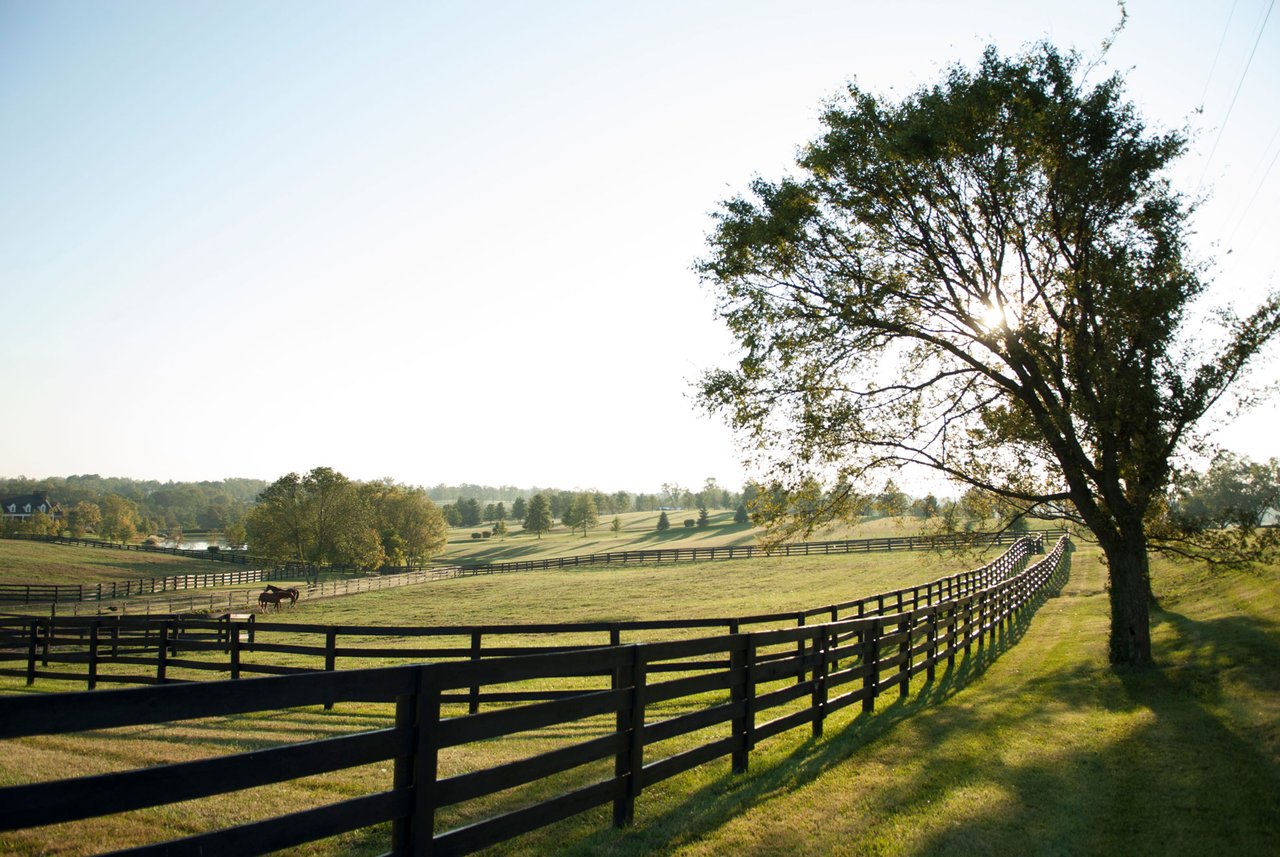
WNC is home to more than a few communities catering to those seeking a high quality of life,
from rural equestrian communities to city neighborhoods.